 GAME&
GAME&
In 2007, Halo 3 arrived at exactly the right moment for the Xbox 360. It was not just another major shooter release. It was a social event, a hardware seller, and the kind of launch that made online console play feel central rather than secondary.
It shipped with real range
One reason it still holds up is the sheer amount of value that came in the box. The campaign closed a major arc, multiplayer felt enormous, co-op mattered, and the wider package gave players reasons to stay engaged without needing modern live-service scaffolding to prop it up.
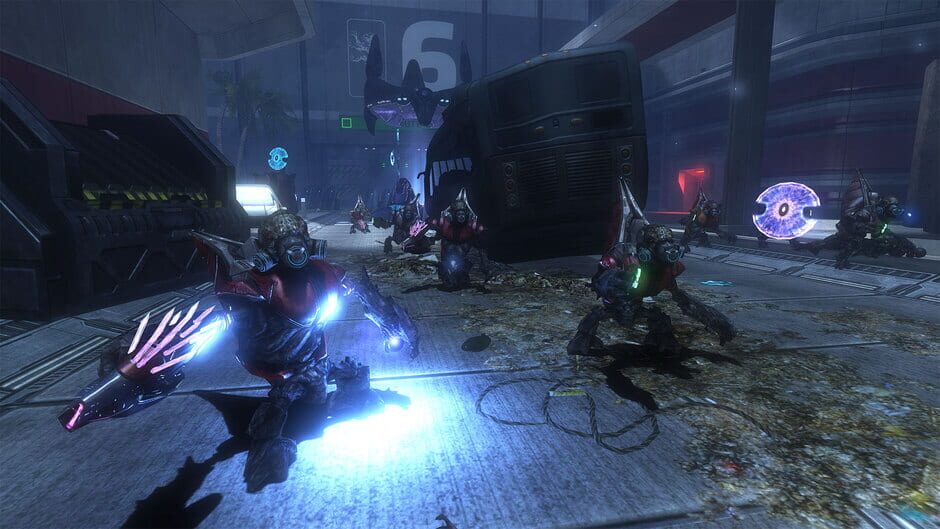
Forge changed the social life of the game
Forge is one of the clearest reasons Halo 3 aged so well in memory. It handed creative tools to players early enough that map tinkering, custom modes, and shared lobbies became part of the culture around the release, not just a side feature buried in menus.
That mattered because it turned the game from a fixed product into a platform for in-jokes, experiments, and recurring nights with friends. Long after competitive conversations moved on, custom play kept the game feeling alive.
Collector note
Halo 3 also belongs to a period when physical Xbox 360 ownership still felt social. Boxed copies, steelbooks, themed controllers, and local multiplayer memories all feed into why the game still carries shelf value.
The campaign still plays well
Return to Halo 3 today and the pacing is still unusually clean. Vehicle sections, infantry fights, spectacle, and space to breathe are arranged with more confidence than many bigger modern shooters manage. It is not just famous; it is well-built.
That is why the legacy stuck. Halo 3 represents a version of the blockbuster console era where polish, multiplayer identity, and physical ownership all pulled in the same direction.